Wicked Culture: A Bold Display Font for Modern Web Design and Digital Branding
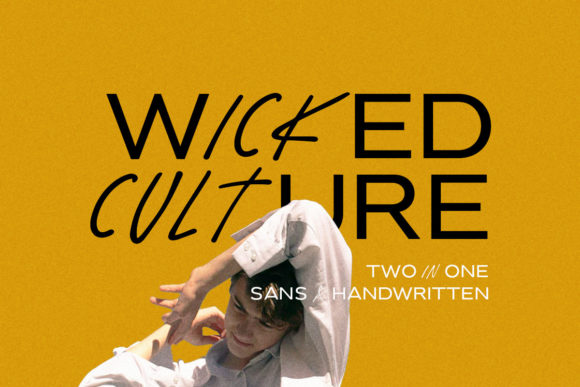
As a web designer, I’m always on the lookout for fonts that bring personality without sacrificing usability. Wicked Culture is one of those rare typefaces that strikes the perfect balance between modern design and expressive character. It’s a display font that merges the clean lines of sans serif with the organic feel of handwritten script, making it incredibly versatile for digital projects where visual impact matters.
Understanding Wicked Culture’s Design and Digital Appeal
At first glance, Wicked Culture stands out with its confident letterforms and subtle texture. It blends the structured geometry of a sans serif with the fluidity and warmth of a handwritten typeface. This hybrid style gives it a unique personality that’s both contemporary and approachable. Whether used for a tech startup’s landing page or a boutique brand’s logo, Wicked Culture adds a touch of modern creativity that feels intentional, not forced.
Where to Use Wicked Culture in Web and Digital Design
Because of its strong visual presence, Wicked Culture works best in high-impact areas of a digital layout. Think hero headers, section titles, logo text, and call-to-action buttons. It’s especially effective in hero sections where a bold typographic statement can immediately communicate brand tone and capture attention.
- Magazine headers and blog titles
- Product landing page headlines
- Online store banners and promotional graphics
- Creative portfolio websites
- Course sales pages and webinar headers
It’s not ideal for long-form body copy, but that’s expected of a display font. Instead, Wicked Culture thrives in short, high-visibility placements where its character can shine without overwhelming the user.
How Wicked Culture Supports Visual Hierarchy and Brand Tone
Visual hierarchy is crucial in guiding users through a digital experience. Wicked Culture helps establish that hierarchy by naturally drawing the eye. When used for primary headlines or key conversion points, it sets a tone that’s both stylish and professional. Pair it with a neutral sans serif like Helvetica or a clean system font for body text, and you create a layout that’s visually dynamic yet easy to scan.
This font also reinforces brand tone. If your brand is creative, confident, and modern, Wicked Culture aligns perfectly. It’s not overly formal like a serif, nor is it too casual like a loose script. It sits in that sweet spot—just edgy enough to feel unique, but still polished enough for professional use.
Readability Considerations for Web and Mobile
One thing I always test with display fonts is readability across devices. Wicked Culture holds up well on desktop, but for mobile screens, I recommend using it at larger sizes—especially on hero banners or section headers. Avoid using it on small buttons or dark backgrounds without proper contrast. It works best on light or neutral backdrops, and when overlaid on images, I suggest adding a subtle background overlay or text shadow to maintain legibility.
Font Pairing Tips for Web Design
Pairing Wicked Culture with the right supporting typeface is key to a balanced layout. Since it’s decorative and expressive, I often pair it with a minimalist sans serif like Open Sans or Lato for body copy and navigation. This contrast creates a clear visual flow and ensures the content remains readable while the headline remains memorable.
If you’re designing a more editorial-style site—like a creative blog or online magazine—you could pair Wicked Culture with a serif font like Georgia or a modern serif like Cormorant for subheadings. This combination gives your layout a layered, curated feel without being visually cluttered.
Practical Use Cases for Wicked Culture
Here are a few real-world examples where Wicked Culture brings real value to a digital design:
- Creative Portfolio Websites: Use it for the site title or featured project names to highlight artistic flair.
- Boutique Online Stores: Apply it to product banners or seasonal promotions to create a unique shopping experience.
- Coaching or Consulting Websites: Implement it in hero sections to establish a confident, modern brand voice.
- Product Landing Pages: Use it for the main headline to instantly communicate value and personality.
- Course Sales Pages: Highlight the course title or key benefits with a font that feels both professional and inspiring.
Technical and Licensing Notes for Web Use
Before using Wicked Culture in a live project, check what font formats are included—especially if you’re embedding it via CSS using @font-face. Most premium display fonts come with multiple web-optimized formats like WOFF2, WOFF, and EOT, ensuring compatibility across browsers.
Licensing is another important consideration. Make sure the font license allows for commercial use, especially if you’re building client websites, online stores, or digital templates. Some font licenses restrict use to personal projects or require an extended license for commercial deployment.
Final Thoughts on Wicked Culture
Wicked Culture is more than just a trendy display font—it's a design asset that adds personality, clarity, and brand alignment to digital experiences. Whether you're designing a landing page, branding a startup, or curating a creative portfolio, this font brings a modern edge that elevates your work. Used thoughtfully and paired wisely, Wicked Culture becomes a key part of your digital identity toolkit—helping your projects stand out while staying functional and user-focused.