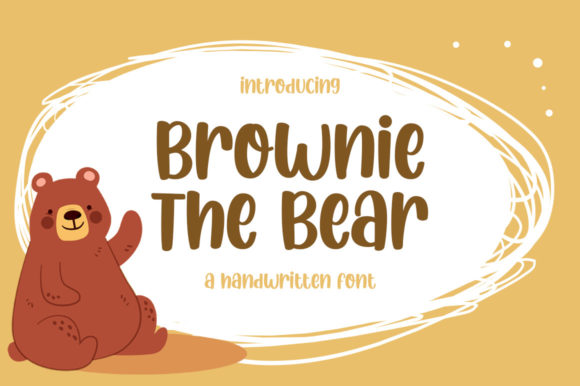
Brownie the Bear: A Sweet, Handwritten Display Font for Crafty Makers and Sellers
While designing a new line of candle labels for my small shop, I stumbled upon Brownie the Bear and instantly felt that familiar spark of creative excitement. This charming display font has a soft, handwritten appeal that feels both personal and polished—perfect for makers who want to add warmth and authenticity to their product designs. Whether you're crafting greeting cards, boutique tags, or digital printables, Brownie the Bear brings a touch of whimsy without sacrificing professionalism.
Why Brownie the Bear Fits My Creative Process
I often start with a physical mockup—like a sticker sheet or a wedding invitation layout—before diving into production. Brownie the Bear’s rounded, slightly bouncy letterforms give a handmade vibe that works beautifully for short phrases, names, or titles. It’s not meant for long paragraphs, but that’s exactly what makes it ideal for attention-grabbing design elements like product packaging, social media graphics, and seasonal tags.
When I tested it on a set of holiday candle labels, the font gave a cozy, approachable feel that matched the scent names like “Spiced Cider” and “Vanilla Snowfall.” The slight texture in the letters mimics chalk or marker strokes, which is great for those of us designing for farmhouse signs, boutique packaging, or rustic wedding stationery.
Perfect for Labels, Invitations, and Seasonal Goods
One of the first real uses I made of Brownie the Bear was for a line of personalized greeting cards. The font’s character variations and ligatures added subtle charm to names and greetings. I also found it worked beautifully for wedding welcome boards and thank-you tags—places where a warm, inviting tone is essential.
For digital product sellers, this font shines in printable wall art, planner pages, and SVG cut files. Its organic texture and slightly uneven baseline mimic real handwriting, making digital downloads feel more authentic. I’ve even used it in mockups for tote bags and mugs, where the font’s playful energy helps the product feel more approachable and personal.
How Brownie the Bear Elevates Product Presentation
Typography plays a quiet but powerful role in customer perception. A well-chosen font like Brownie the Bear can elevate a product from looking like a mass-produced item to something that feels carefully curated and handmade. When I switched to this font for my boutique tags and packaging, I noticed a subtle but real difference in how customers responded to my branding—more warmth, more engagement, and more interest in the story behind each product.
Because of its unique character, Brownie the Bear can help establish brand consistency across a variety of items. Whether it’s printed on a sticker, embroidered onto a tote, or used in a digital listing image, the font maintains its charm and recognizability, which helps build trust and visual cohesion in your shop.
Design Tips for Using Brownie the Bear
This font works best in display use—like headlines, logos, or decorative text—rather than long body copy. When designing for small stickers or product labels, be sure to test readability at different sizes, especially if using intricate ligatures or alternate characters.
For digital cutting projects (like Cricut or Silhouette designs), check if the font includes vector outlines or clean SVG exports. Brownie the Bear’s textured edges can sometimes require a bit more attention during the cutting process, but the results are worth it when you're aiming for that chalky, hand-drawn look.
- Use it for titles, names, and short quotes
- Avoid using it for large blocks of text
- Pair it with a clean sans serif for contrast
- Test readability for small stickers and labels
Pairing Brownie the Bear with Other Fonts
Font pairing is key to balanced design. Since Brownie the Bear has a soft, whimsical style, I often pair it with a clean sans serif like Arial or Montserrat for contrast. This combination works beautifully in wedding invitations, where the main name or event title uses Brownie the Bear, and the supporting text uses a more structured font.
For rustic signs or farmhouse wall art, pairing it with a simple serif or another handwritten font can create a layered, organic feel. If you're using it for a logo or bold branding element, try combining it with a bold display font for a dynamic, eye-catching layout.
What to Check Before Using in Commercial Products
Before selling any product using Brownie the Bear—whether it’s a digital template, printable SVG, or physical item—make sure to review the font’s licensing terms. Most quality display fonts come with commercial use permissions, but it’s always wise to confirm, especially if you're embedding the font in a downloadable product.
Also, check what font styles are included—like alternates, swashes, and ligatures—as these can add depth and customization to your designs. File formats matter too, especially if you're working with design software like Canva, Illustrator, or Procreate. Look for OpenType (.otf) or TrueType (.ttf) formats for the best compatibility.
Lastly, if you're designing for international audiences or multilingual shops, verify whether Brownie the Bear supports extended character sets. This ensures your product names, tags, and descriptions are displayed correctly across different languages.